Educational & Training
RESOURCES
Resources for Sensory Needs
Wellbeing Instruments have a passion for supporting student wellbeing and encouraging a readiness to learn in the classroom. Discovering ways to best support students with sensory needs, especially in moments where students are dysregulated, can be a considerable challenge for school staff.
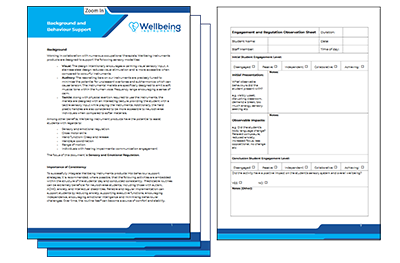
To support staff and students, we have created an Implementation Framework document. Focusing on both preventative and de-escalation strategies, this document provides staff with strategies to integrate our instruments into the daily routines of students with sensory needs.
Downloads
Activities Resources
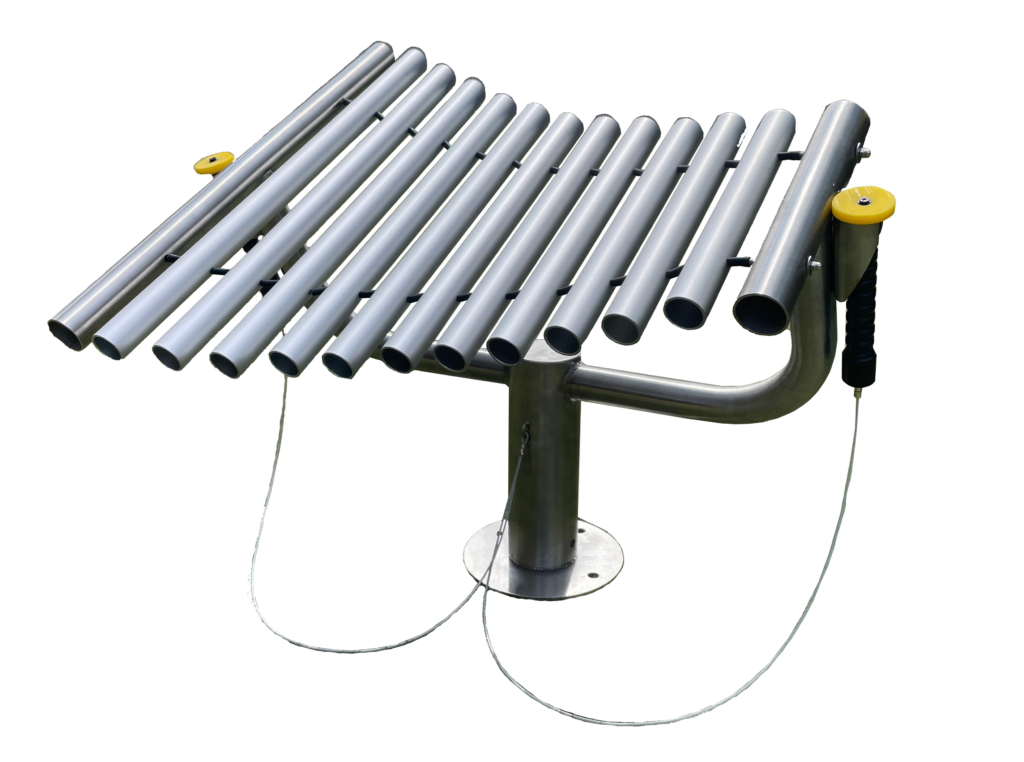
Incorporating tools like the Explorer or Composer outdoor musical instruments into individual and school wide behaviour support strategies, can make the difference that allows a student to be ready to learn in the classroom. Wellbeing Instruments have created an extensive resource to help teachers and education support guide students to wellness with 38 level appropriate activities. Each activity is directly linked to the Victorian curriculum and are available as free downloads.
See the latest curriculum: Victorian Curriculum 2.0.
Downloads
Educational Resources
When working with students who display behaviours of concern
While our instruments can be easily integrated into school wide engagement strategies, Wellbeing Instruments products can also be incorporated in tier 2 and 3 support. Use the following documents as a guide for implementation.
The Motivation Assessment Scale is a useful and practical resource, used to identify the origin and motivation for behaviours of concern. This comprehensive assessment is used to determine whether behaviours originate from senory needs, escape demands (absconding), escape attention (escaping or avoiding social interactions with others), attention (seeking acknowledgement of any displayed behaviour) or tangible (obtaining objects of interest).
The Engagement Chart Scale is used to gather observational data in relation to student engagement. “In situations where the student does not currently engage with any learning activity, the Engagement Profile can be used to structure an informal assessment of the kinds of activities the student does engage with constructively. The findings can be used to indicate starting points from which to engage the student in learning. “
Visual Support Resources
Picture Communication Symbols (PCS) are simple, consistent images used to support students with communication challenges. They help students express themselves, understand others, and navigate daily routines. Visual supports such as PCS are used to assist students with the following profiles: Autism, intellectual disability, speech or language delay, non-speaking, down syndrome, developmental/global delays and students recovering from injury.
Please feel free to download our brief PCS teacher and education support staff guide as well as our example “Break Time- Social Story” and commonly used PCS.
More resources are on their way…