
Education
BENEFITS
Music as an Intervention
Soft, calming music can have profound effects on the human body and brain. It influences both the nervous system and emotional regulation, which is why it’s often used to support mental wellbeing, stress reduction, focus, and even physical healing.

The Science Behind Music Intervention
Activates the Parasympathetic Nervous System
Calming music can help shift the body from a “fight-or-flight” (sympathetic) state to a “rest-and-digest” (parasympathetic) state. This promotes:
- Slower heart rate
- Lower blood pressure
- Deeper, slower breathing
- Muscle relaxation
This shift makes it easier to calm down physically and emotionally, especially during times of stress or sensory overload.
Reduces Stress and Cortisol Levels
Research shows that calming music can lower levels of cortisol, the body’s main stress hormone. This leads to:
- A greater sense of calm
- Reduced feelings of anxiety or panic
- Improved ability to cope in challenging situations
This is particularly beneficial for people who are neurodiverse or prone to overstimulation.
Improves Emotional Regulation
Music affects the limbic system, the brain area responsible for emotions. Calming music helps:
- Regulate mood
- Reduce irritability
- Provide emotional grounding
- Create a sense of safety and comfort
This can be helpful in classrooms, therapy settings, or at home for children and adults alike.
Supports Focus and Cognitive Function
Soft instrumental or ambient music (without lyrics) can improve emotional intelligence and concentration, especially during repetitive tasks or creative work. It works by:
- Reducing background distractions
- Providing a steady auditory environment
- Supporting sustained attention
This can be especially helpful for students with ADHD or anxiety.
Activates the Parasympathetic Nervous System
Calming music can help shift the body from a “fight-or-flight” (sympathetic) state to a “rest-and-digest” (parasympathetic) state. This promotes:
- Slower heart rate
- Lower blood pressure
- Deeper, slower breathing
- Muscle relaxation
This shift makes it easier to calm down physically and emotionally, especially during times of stress or sensory overload.
Reduces Stress and Cortisol Levels
Research shows that calming music can lower levels of cortisol, the body’s main stress hormone. This leads to:
- A greater sense of calm
- Reduced feelings of anxiety or panic
- Improved ability to cope in challenging situations
This is particularly beneficial for people who are neurodiverse or prone to overstimulation.
Improves Emotional Regulation
Music affects the limbic system, the brain area responsible for emotions. Calming music helps:
- Regulate mood
- Reduce irritability
- Provide emotional grounding
- Create a sense of safety and comfort
This can be helpful in classrooms, therapy settings, or at home for children and adults alike.
Supports Focus and Cognitive Function
Soft instrumental or ambient music (without lyrics) can improve emotional intelligence and concentration, especially during repetitive tasks or creative work. It works by:
- Reducing background distractions
- Providing a steady auditory environment
- Supporting sustained attention
This can be especially helpful for students with ADHD or anxiety.
Holistic Development
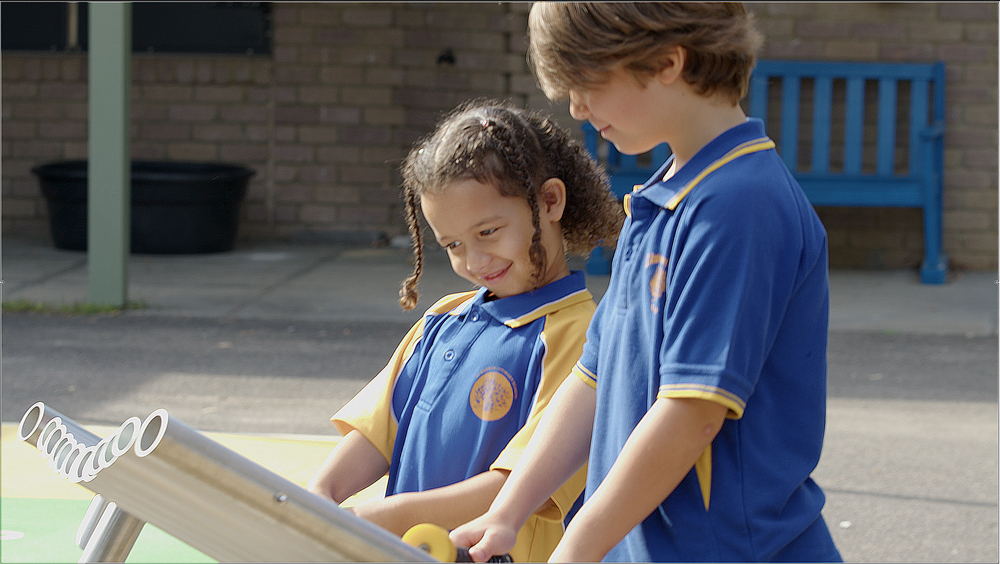
An outdoor musical playground promotes holistic development by engaging students in a multi-sensory experience. The combination of physical activity and musical exploration supports cognitive, emotional, and social growth.
Health & Wellbeing
Outdoor play is essential for physical health, and the addition of musical instruments provides an extra layer of enjoyment. Physical activity combined with musical expression contributes to overall well-being, supporting students in developing healthy habits and reducing stress.
Inclusive Play
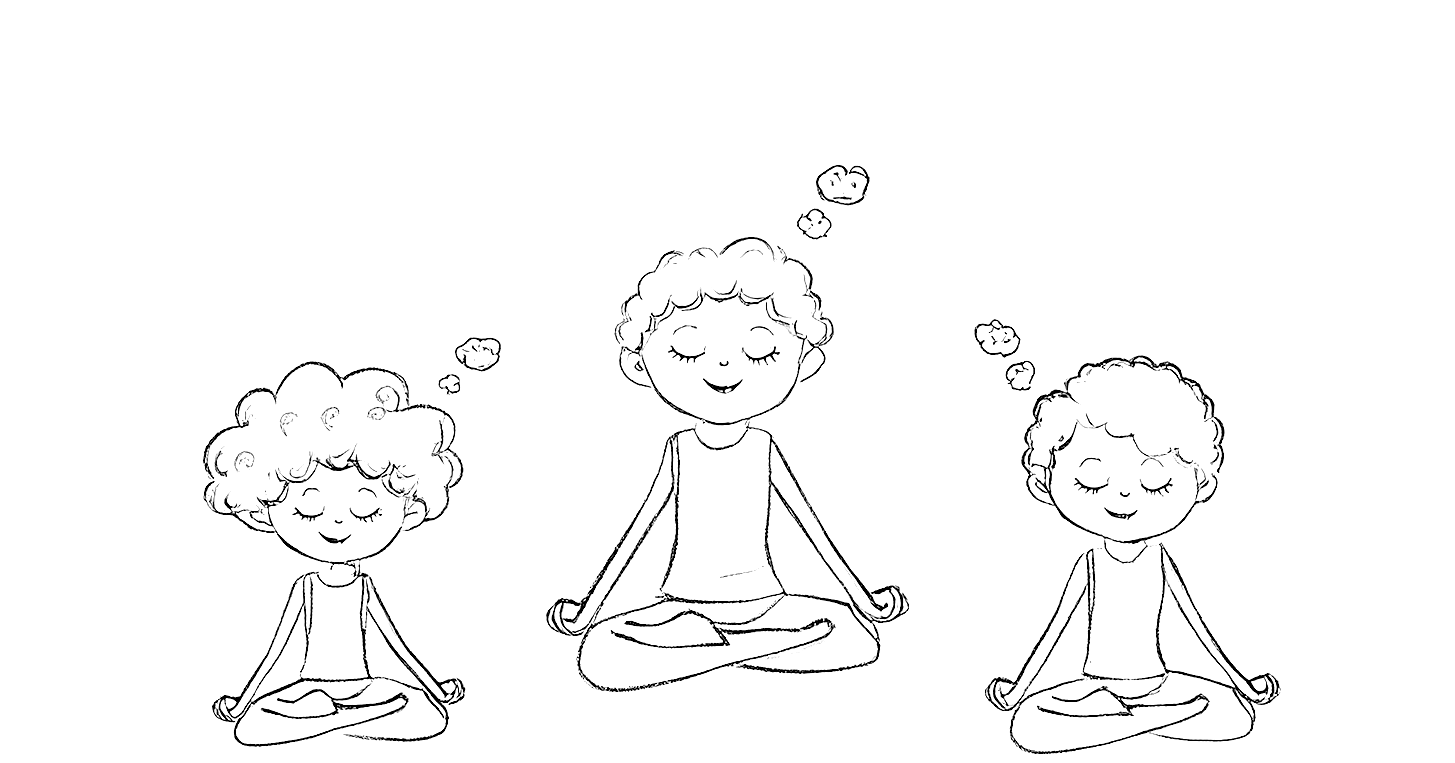
The outdoor musical playground is designed to be inclusive, accommodating various abilities and learning styles. This fosters a sense of belonging, promoting social interaction and cooperation as they engage together.
Educational Enrichment
The playground serves as an educational tool, integrating music into playtime to enhance learning. Students can develop a deeper understanding of rhythm, melody, and coordination while enjoying a fun and interactive environment, aligning with educational goals in a playful manner.
Community Engagement
The outdoor musical playground creates a focal point for community engagement, encouraging participation from parents, teachers, and the broader community. Collaborative musical activities can strengthen ties within the school community, fostering a sense of unity and shared enjoyment of the outdoor space.